| Stack | Role | Year | Status |
|---|---|---|---|
| React.js, Node.js, Express.js, MongoDB, Mongoose, JWT, bcryptjs, Tailwind CSS, Chart.js | Full-Stack Software Engineer | 2024 | Live |
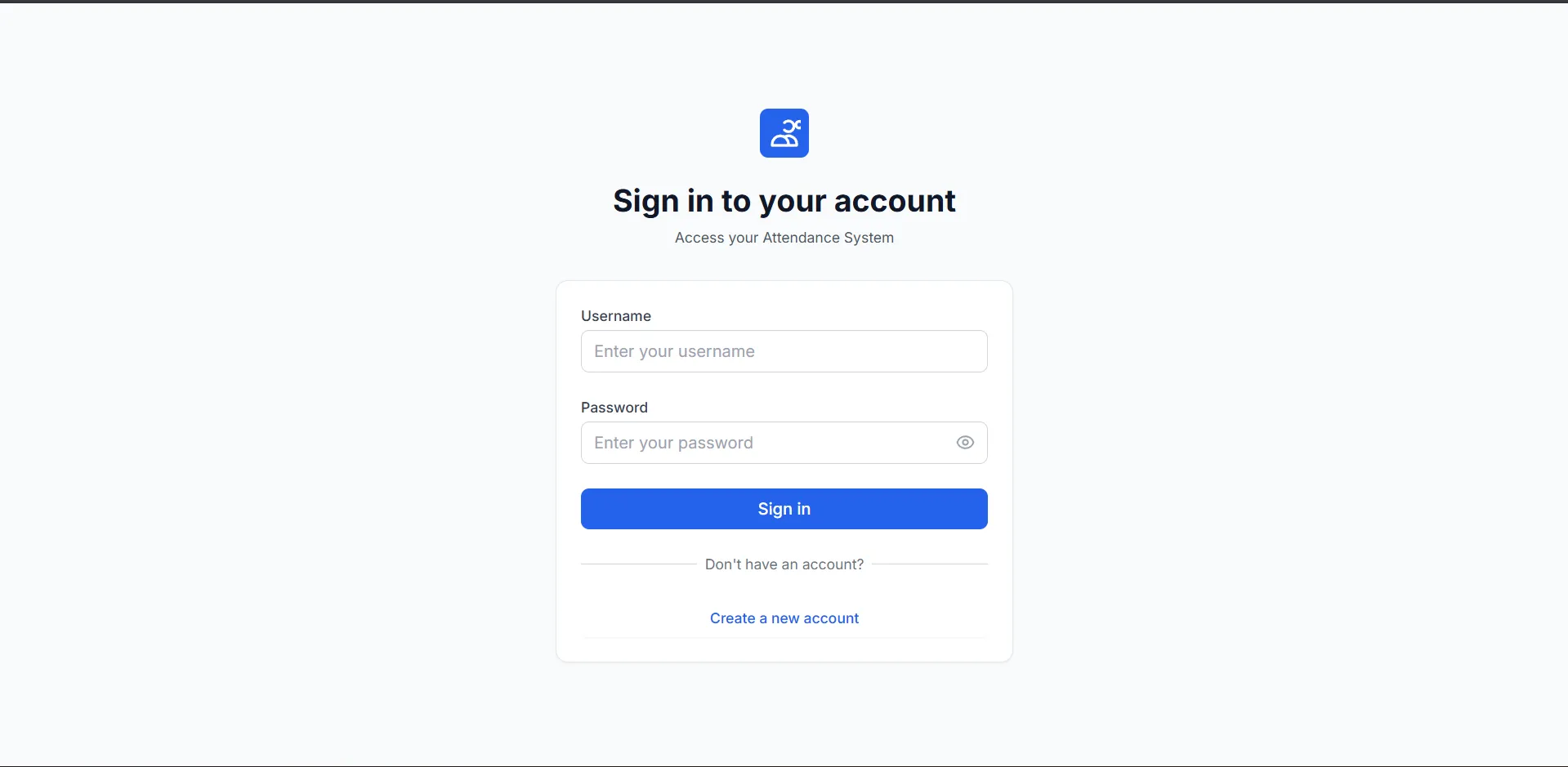
Attendance System - Educational Analytics & Management
Building a comprehensive attendance management system for educational institutions
Attendance System - Educational Analytics & Management — Building a comprehensive attendance management system for educational institutions is a technical case study on ancel.co.ke documenting architecture, trade-offs and outcomes. To replace manual tracking with automated, multi-institution-ready analytics, I built an attendance system that isolates each institution's data and handles report generation and API failures without bringing down the whole platform. Ancel Ajanga wrote this case study from hands-on deli…
A resilient attendance management system architected for educational institutions to automate attendance tracking, provide comprehensive analytics and generate detailed reports. The system handles 500+ active users across multiple institutions with 95% accuracy improvement and 70% reduction in administrative overhead.
The Problem
Educational institutions struggle with manual attendance tracking, which is time-consuming, error-prone and provides limited insights into student patterns. Traditional systems lack analytics capabilities, don't integrate well with modern educational workflows and fail to scale across multiple institutions. Administrators need automated tracking, comprehensive reporting and insights into student attendance trends at scale.
To replace manual tracking with automated, multi-institution-ready analytics, I built an attendance system that isolates each institution's data and handles report generation and API failures without bringing down the whole platform.
The Solution
I architected a modern attendance management system that automates attendance tracking, provides comprehensive analytics and integrates seamlessly with educational workflows. The system includes secure JWT-based authentication, role-based access control, real-time reporting with Chart.js visualizations and mobile-responsive design. Built with React, Node.js, Express and MongoDB for horizontal scalability and fault tolerance.
Key Technical Terms
- Organization-scoped data isolation:Every query and report is filtered by institution/organization so one school never sees another's data; this supports the project goal of multi-institution deployment on a single platform while keeping compliance and privacy simple.
- MongoDB aggregation pipelines:Analytics and reports are computed on-demand with aggregations so we avoid pre-computed caches going stale; for this project that means admins always see up-to-date attendance and trends without a separate ETL layer.
- Atomic updates (transactions):Marking attendance or bulk updates run inside MongoDB transactions so partial failures do not leave records half-updated; that directly supports the goal of 95% accuracy and trustworthy reporting.
The Impact
The attendance system has improved tracking accuracy by 95% and reduced administrative time by 70%. Schools using the system report better student engagement and more accurate performance analytics. The platform supports 500+ active users across multiple institutions with comprehensive reporting capabilities, handling 15+ report types with sub-second generation times.
95%
70%
500+
15+
Outcomes
- 95% improvement in attendance tracking accuracy with automated systems
- 70% reduction in administrative time through streamlined workflows
- Comprehensive analytics and reporting capabilities with 15+ report types
- Mobile-responsive design with excellent UX across all devices
- Secure role-based access control supporting multiple user types
- Production deployment on Netlify and Render with MongoDB database
Architecture Deep-Dive
The system follows a three-tier architecture: React frontend, Node.js/Express API layer and MongoDB database. Authentication is handled through JWT tokens with role-based access control. Analytics are computed on-demand using MongoDB aggregation pipelines, ensuring real-time accuracy. File exports (CSV, PDF) are generated server-side to reduce client load. The architecture supports multi-institution deployment through organization-scoped data isolation. MongoDB indexing optimizes query performance for large datasets.
Key Engineering Decisions
I chose MongoDB over PostgreSQL because the document model fit varying institution and report shapes and gave us a path to horizontal scaling, trading strict relational integrity for flexibility. I implemented on-demand analytics over pre-computed reports because we needed real-time accuracy as data changed, accepting some query cost. I used Chart.js on the client over server-side charts because interactivity and drill-down were priorities. I selected JWT over sessions so we could scale API servers without a shared session store. I deferred biometrics and automated notifications to ship core tracking and reporting first.
Failure Modes & Resilience
API or DB failure: centralized error middleware returns clear status codes and messages so the frontend can show retry or offline cues without crashing. Report generation timeout: long-running reports are isolated so they do not block other requests; connection pooling prevents exhaustion. Invalid or duplicate marks: validation and idempotent-friendly flows reduce double-counting; transactions ensure all-or-nothing updates. Frontend errors: error boundaries keep one broken report view from taking down the dashboard.
Outcome & Future Potential
The attendance system has improved tracking accuracy by 95% and reduced administrative time by 70%. Schools using the system report better student engagement and more accurate performance analytics. The platform supports 500+ active users across multiple institutions with comprehensive reporting capabilities, handling 15+ report types with sub-second generation times.
Roadmap & Expansion
Vision includes scaling to 10,000+ users through MongoDB sharding, Redis caching for frequently accessed reports and microservices extraction for analytics and notifications. Planned containerization with Docker for consistent deployments. Advanced features include AI-powered attendance prediction, automated intervention triggers and comprehensive parent/guardian portals. Multi-region deployment for global institutions with data replication and compliance features.
95%
Improvement in attendance tracking accuracy
70%
Reduction in administrative time
500+
Active users across institutions
15+
Different report types available
Project Gallery